Most matcha buyers obsess over one thing: ceremonial grade vs culinary grade. The packaging leans into it hard, with words like “first harvest,” “stone ground,” and “Uji origin” plastered across every tin. What almost nobody tells you is that “ceremonial grade” has no legal definition. No government body certifies it. No independent lab verifies it. Any brand can print it on any bag of green powder and sell it at three times the price.
USDA Organic certification, on the other hand, is real and audited. But it only covers one thing: the absence of synthetic pesticides and fertilizers during growing. It says nothing about grade, flavor quality, lead content, or whether the matcha was shade-grown for the right amount of time. You can hold a USDA Organic certified bag of matcha that cost $9 and a non-certified bag that cost $60 and the certification tells you almost nothing about which one is actually better for you.
That’s the gap we’re filling here. We looked at every major organic matcha brand on Amazon, verified USDA certification on each listing, pulled real review data, and ranked them honestly.
How we ranked these
Every brand here shows confirmed USDA Organic certification on its Amazon listing. We checked star ratings and review counts as a signal of real-world performance at scale, then factored in price per ounce, origin transparency, and what the brand actually tells you about its sourcing.
Best organic matcha at a glance
Brand
Rating
Reviews
Grade
Best For
Jade Leaf
⭐ 4.5
83,000
Culinary
Everyday use, lattes, baking
Matcha DNA
⭐ 4.4
18,000
Culinary
Budget buyers, high volume
Naoki Matcha
⭐ 4.5
2,600
Ceremonial
Traditional preparation, drinking straight
Navitas Organics
⭐ 4.6
1,900
Culinary
Smoothies, sustainability-focused buyers
Jade Leaf Matcha
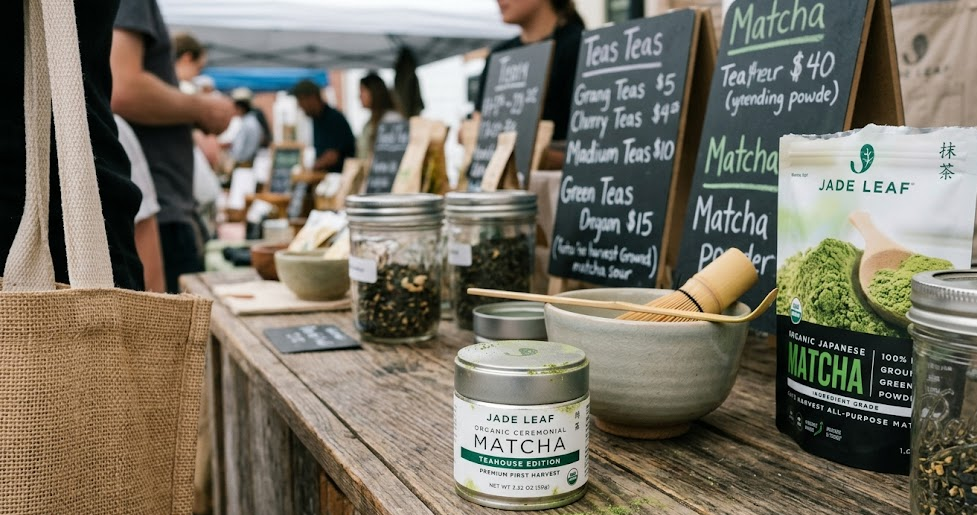
Jade Leaf is the most reviewed organic matcha on Amazon by a distance. Over 83,000 ratings at 4.5 stars is not an accident. This is a brand that has been tested at scale by real people making matcha lattes every morning, not just reviewers who tried it once. The culinary grade powder dissolves well, has a clean grassy flavor without being too bitter, and works across every use case: hot, iced, blended, baked.
It’s sourced from Japan, USDA Organic certified, and comes in multiple sizes down to 30g, which is a good entry point if you’re trying it for the first time. The price per ounce is reasonable for a certified organic Japanese matcha, especially given the consistency the review volume signals.
What it won’t tell you: Jade Leaf does not disclose which region of Japan the matcha comes from. “Japan” covers a lot of ground. Uji in Kyoto and Nishio in Aichi are the most reputable growing regions. If regional transparency matters to you, Naoki is the better call.
Best for: Anyone who wants a reliable, well-reviewed, everyday organic matcha without overpaying.
Matcha DNA
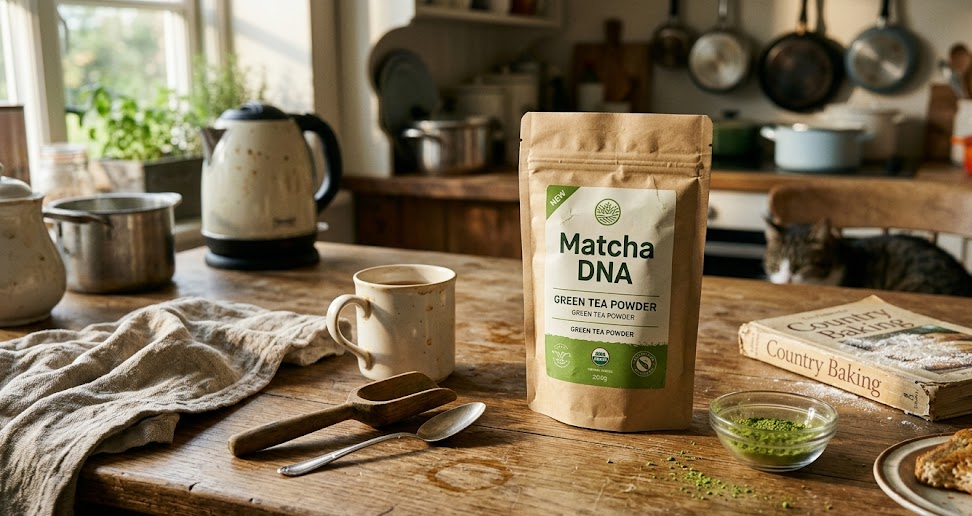
Matcha DNA is the high-volume budget option. 18,000 reviews at 4.4 stars, comes in a 16oz tin, and has one of the lowest price-per-ounce ratios of any USDA Organic certified matcha on Amazon. If you’re using matcha in smoothies, protein shakes, or baked goods where the flavor is going to be mixed with other ingredients anyway, this is the sensible choice.
The tin packaging is a practical bonus. Matcha oxidizes quickly when exposed to light and air. A sealed tin keeps it fresher longer than a resealable bag, which is a real advantage at this price point.
It is culinary grade and doesn’t claim otherwise. No “ceremonial” language on the tin, which is actually a mark of honesty. What you see is what you get: a large, affordable, certified organic matcha for daily cooking and blending use.
Best for: High-volume users, smoothie makers, bakers, anyone who goes through matcha fast and wants certified organic without the premium price.
Naoki Matcha
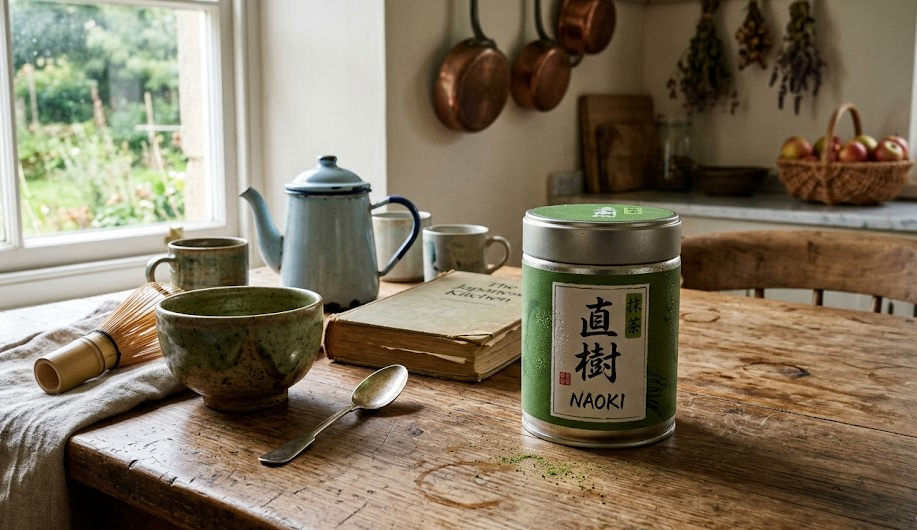
Naoki is the most transparent brand on this list. They tell you the specific region (Kagoshima), the harvest timing (first spring), and the blend rationale. For matcha you’re going to whisk and drink straight in a bowl the traditional way, that sourcing specificity matters. Flavor and color quality vary meaningfully by growing region and harvest timing, and Naoki is one of the few brands that actually lets you verify rather than just asking you to trust the label.
2,600 reviews at 4.5 stars with 10,000+ bought in the past month is strong for a brand at this price point. It’s not cheap per ounce, but you’re paying for actual ceremonial grade with a traceable origin, which is more than most “ceremonial” matcha brands offer.
USDA Organic certified. The 40g size is small, which reflects how ceremonial grade matcha is meant to be used: slowly and deliberately, not scooped by the tablespoon into a blender.
Best for: People who drink matcha the traditional way, want real sourcing transparency, and are willing to pay for it.
Navitas Organics
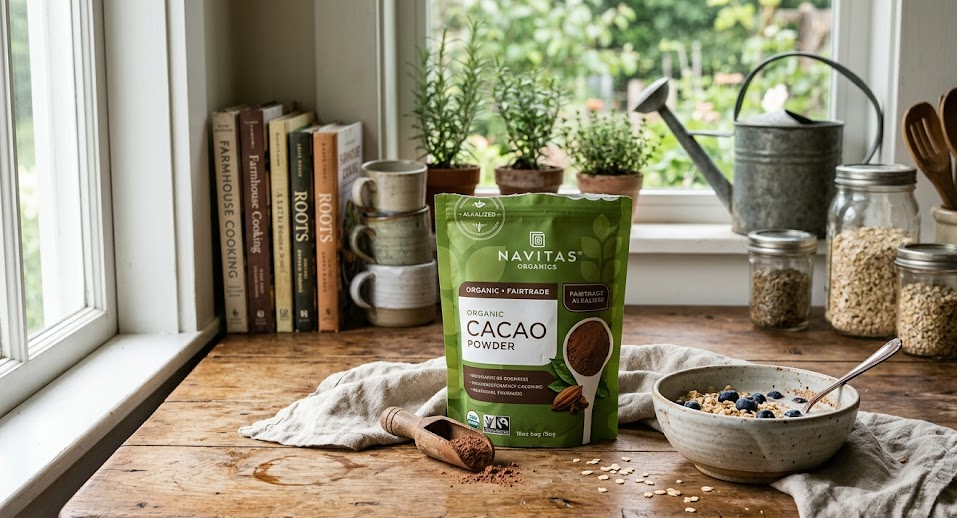
Navitas Organics is the sustainability story on this list. The brand has a longer track record than most in the organic superfood space, with consistent USDA Organic and Non-GMO Project certification across their product range. Their matcha is 4.6 stars across 1,900 reviews, which is the highest average rating on this list.
It’s culinary grade, positioned for smoothies, lattes, and everyday cooking. The 3oz bag is smaller than some competitors, but Navitas is widely available beyond Amazon, including in Whole Foods and natural grocery stores, which matters if you want to buy it in person.
For buyers who care about brand ethics and sourcing consistency beyond just the USDA stamp, Navitas has a longer and more verifiable track record than most matcha brands that appeared on Amazon in the last two years.
Best for: Sustainability-focused buyers, smoothie and latte use, anyone who already trusts the Navitas brand from other products.
What the “ceremonial grade” label actually means
Here’s the thing nobody in the matcha industry wants to say clearly: ceremonial grade is a marketing term. There is no regulatory body that defines it, no third-party auditor that certifies it, and no legal consequence for a brand that uses it on powder that would never be served in an actual Japanese tea ceremony.
Genuine high-quality matcha comes from shade-grown tea leaves, specifically the youngest leaves picked in the first spring harvest. Shading the plants for several weeks before harvest increases chlorophyll and L-theanine content, which is why quality matcha has that distinct umami flavor and the calmer, more sustained energy compared to coffee. But none of that is captured by USDA Organic certification, and none of it is verified by a “ceremonial grade” label.
There’s also the lead question. Research published on PubMed has flagged that matcha, because you consume the whole ground leaf rather than just a steeped infusion, concentrates whatever is in the leaf including heavy metals from soil. USDA Organic certification covers pesticide inputs. It says nothing about lead or cadmium levels in the final product. This is the same issue we’ve covered with loose leaf tea — tea plants are hyper-accumulators, and organic certification doesn’t change the soil those plants grew in.
The practical takeaway: buy from brands that are transparent about origin. Japan in general has stricter agricultural controls than many other growing regions. Knowing the specific prefecture (Kagoshima, Uji, Nishio) is better than just “Japan.” And “Japan” on the label is still better than no origin disclosure at all.
Label decoder
What it says
What it actually means
Worth paying for?
Ceremonial grade
No legal definition. Self-declared by the brand.
Only if paired with verifiable origin and harvest info
USDA Organic
No synthetic pesticides or fertilizers during growing. Audited.
Yes — baseline requirement
First harvest / first flush
Spring pick, younger leaves, higher L-theanine. Meaningful if verified.
Yes, if the brand discloses the region
Stone ground
Traditional grinding method that preserves flavor better than industrial milling
Yes for drinking straight, irrelevant for baking
From Uji, Japan
Uji in Kyoto is a premium growing region. Meaningful provenance claim.
Yes — more specific is more trustworthy
Non-GMO
Tea is not a GMO crop. This label costs the brand nothing.
No added value for matcha specifically
Our honest recommendation
For most people: Jade Leaf. 83,000 reviews at 4.5 stars is a more reliable signal than any marketing claim on any tin. It’s USDA Organic, sourced from Japan, reasonably priced, and works for every use case. Start here.
For traditional preparation: Naoki Matcha. If you’re going to whisk it in a bowl and drink it straight, origin and quality actually show up in the cup. Naoki gives you a specific region, a verified first harvest, and the review data to back it up. Worth the premium for that use case.
For high-volume use: Matcha DNA. If you go through matcha fast and it’s going into smoothies or baked goods anyway, pay less per ounce, get the tin, and put the savings toward something else.
For sustainability-focused buyers: Navitas Organics. Longer track record, consistent certification, and the highest average rating on this list. A safe choice if you already buy other Navitas products and trust the brand.
Whatever you pick: look for USDA Organic on the listing, not just on the packaging. Look for a named growing region, not just “Japan.” And ignore the ceremonial grade label unless the brand can tell you exactly where and when it was harvested. If they can’t, the label is doing marketing work, not information work.