Interest in cleaner, simpler foods has been climbing, and one product that often gets attention is organic raw milk. People who want food closer to its natural state, with fewer industrial steps, usually find themselves curious about it. Below is a straightforward look at what organic raw milk is, why some people value it, and the environmental factors worth considering.
Understanding Organic Raw Milk
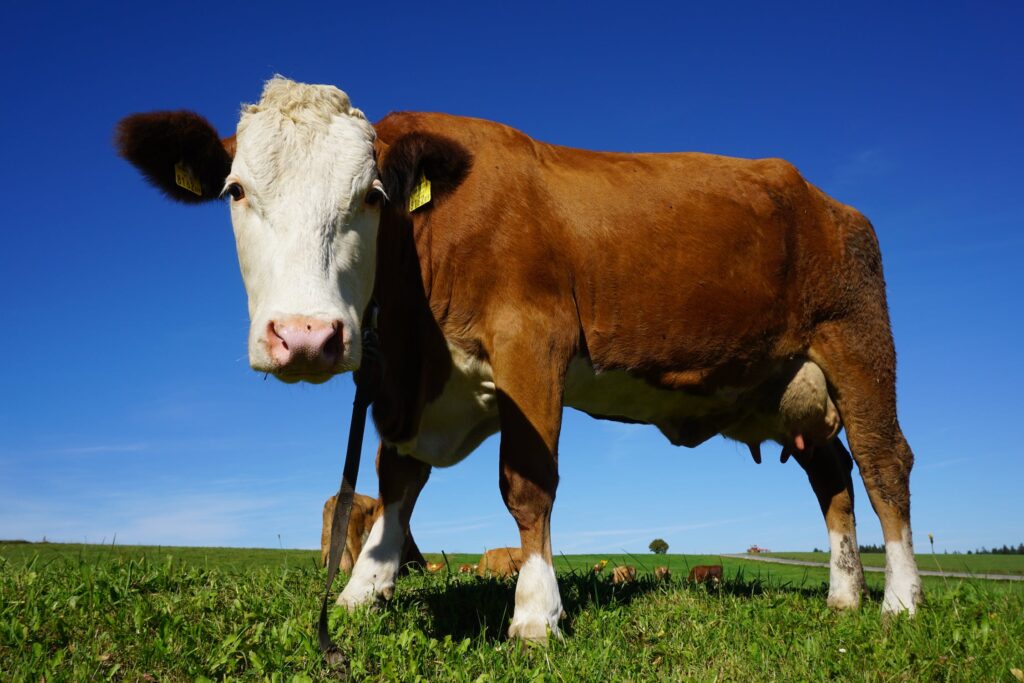
Organic raw milk refers to milk collected straight from cows, goats, or other dairy animals without pasteurization. There is no heating or altering involved. It is simply milk in its natural state from animals raised under organic standards.
Nutritional Richness
- Packed With Core Nutrients: Organic raw milk naturally contains calcium, vitamin D, B vitamins, magnesium, and other essentials that support bone strength, immune function, and daily health.
- Natural Enzymes and Probiotics: Because it is never heated, raw milk keeps its natural enzymes and beneficial bacteria. Many people find these qualities help with lactose digestion and contribute to gut balance.
- Healthy Fats: Raw milk includes omega-3 fatty acids and CLA, which have been linked to reduced inflammation and improved heart health.
- Intact Proteins: Without heat treatment, the proteins remain in their original form, which some believe may support better absorption.
Environmental Benefits

- Lower Processing Impact: Pasteurization requires high heat and significant energy. Choosing raw milk removes that part of the process and reduces the overall energy footprint.
- Support for Local Farmers: Raw milk is usually produced by smaller dairy farms that focus on sustainable grazing, humane animal care, and limited use of hormones or antibiotics. Buying from them helps keep local agriculture thriving.
- Less Packaging Waste: Raw milk often comes in reusable glass containers or similar returnable packaging, which cuts down on disposable plastic compared to standard commercial cartons.
Safety Considerations

Raw milk can carry harmful bacteria such as E. coli or Salmonella if it is not handled with care. Anyone interested in consuming organic raw milk should buy it only from trusted, certified farms and follow proper storage guidelines. People with weakened immune systems, pregnant individuals, and young children should speak with a healthcare professional before adding raw milk to their diet.
Conclusion
For people who want minimally processed, nutrient-rich dairy, organic raw milk can be an appealing option when sourced responsibly. Balancing its benefits with proper safety practices is important. If sustainable living is part of your lifestyle, you might also enjoy reading about growing your own food sustainably.