The assumption built into every organic honey label is that you’re getting something cleaner than the alternative. The USDA seal and the “pure raw” stamp both point at the same idea: this jar went through something the conventional stuff didn’t.
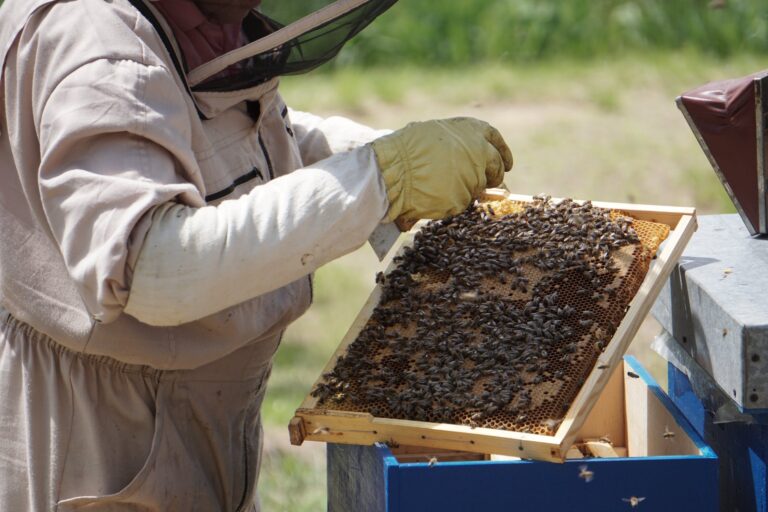
That’s partly true. USDA Organic certification is real, and it covers something meaningful: the beekeeping practices. Bees must forage on certified organic land. No synthetic pesticides in the hive. No antibiotics. These are enforced standards with actual inspections behind them.
What the certification doesn’t cover is what ends up in the jar after harvest. Organic rules carry no purity testing requirement. And the main test the US uses to check for adulteration, a carbon isotope comparison called the AOAC 998.12 method, catches only two types of added sugar: corn syrup and cane sugar. Rice syrup, wheat syrup, and beet-derived syrup all share the same carbon isotope range as real honey, so the test can’t see them. A jar blended with 40% rice syrup produces a perfectly clean result.
In 2023, the European Commission tested 320 honey samples from import shipments. 147 of them (46%) turned up suspected adulteration, primarily with rice, wheat, and beet syrups: exactly the adulterants the standard US test can’t see.
We evaluated the brands below on one question the organic label doesn’t answer: what independent purity testing, beyond organic certification, does each brand actually publish? Some links in this article are affiliate links. No brand paid to be included.
Comparison Table
| Brand | Purity / testing claim | Certification | Best for |
|---|---|---|---|
| Beekeeper’s Naturals | Third-party pesticide testing published; purity not explicitly stated | Third-party tested, B Corp | Pesticide transparency, everyday use |
| New Zealand Honey Co. | UMF certified (4-factor: potency, authenticity, freshness, purity) | UMF (Manuka-specific) | Premium Manuka, traceability |
| Bloom Honey | Single-origin, small-batch; no independent purity testing published | Unpasteurized, single-origin | Artisanal variety, raw |
| Wedderspoon | KFactor grading (proprietary Wedderspoon system, not independently verified) | KFactor (self-graded Manuka) | Budget Manuka |
| Y.S. Eco Bee Farms (flagged) | USDA Organic only. No independent purity testing found. | USDA Organic | See flagged section below |
The Brands
Beekeeper’s Naturals
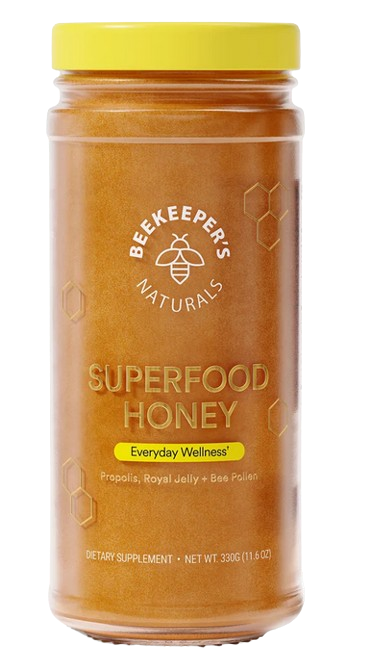
✔ Third-party pesticide panel published
✔ 80+ contaminants screened by external labs
✔ B Corp certified
Buy on Amazon
Beekeeper’s Naturals publishes third-party pesticide results from external labs, screening over 80 contaminants. That’s more transparency than most organic brands offer. The company was founded after its founder repeatedly used propolis to manage recurring tonsillitis, and it has maintained a science-adjacent identity since, with university partnerships and published research citations on the site.
The caveat: their published testing covers pesticides and contaminants, not adulteration by added syrups. They haven’t publicly documented whether they run NMR or C3 isotope testing internally. Most brands on this list share that gap, but Beekeeper’s Naturals at least publishes what it does test for. That puts it ahead of brands offering only a certification label.
Best for: Buyers who want the most transparent pesticide testing of any brand here. Not a verified purity guarantee, but the most documented of the five.
New Zealand Honey Co.
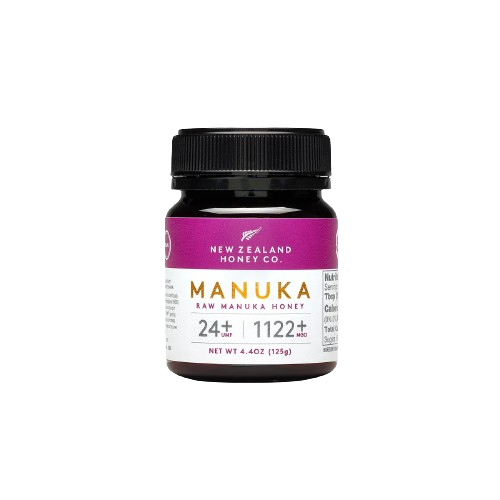
✔ UMF certified (4-factor independent testing)
✔ QR-code batch traceability
✔ Manuka-specific purity testing
Buy on Amazon
The UMF Honey Association runs UMF certification independently of the brands themselves. The standard covers four factors: potency, authenticity, freshness, and purity. Annual independent testing at accredited labs is required. For Manuka specifically, this is the most rigorous third-party standard available. It confirms the honey came from Leptospermum scoparium flowers and rules out dilution or blending to hit a target MGO number artificially.
New Zealand Honey Co. also offers QR-code batch traceability on every jar, linking back to the specific hive location and harvest. The review count on Amazon is low, but the certification trail is what matters here, not the volume of ratings.
Best for: Anyone buying specifically for Manuka properties and wanting the most independently verified product in the category. UMF is the one standard here with genuine teeth on purity.
Bloom Honey
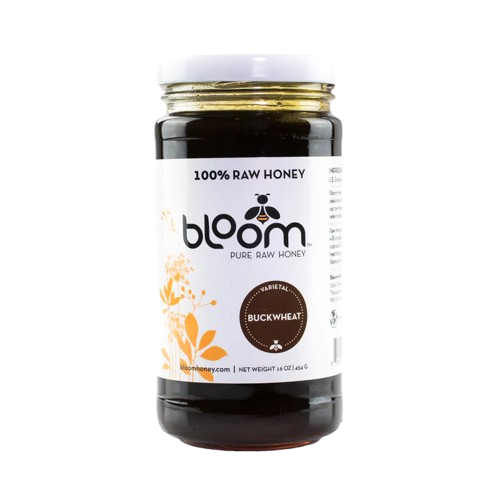
✔ Single-origin, named sourcing
✔ Unpasteurized, minimal processing
⚠ No independent purity testing published
Buy on Amazon
Bloom sources single-floral varieties from named regions with minimal processing: no ultra-filtration, no high-heat pasteurization that destroys pollen and enzymes. Traceable single-origin sourcing is harder to fake than a generic organic label. Adulteration at that scale would require counterfeiting an origin story, not just a certification.
The lower Amazon rating (3.6) mostly reflects crystallization and batch variation, both normal in raw, unprocessed honey. Crystallization is a sign of real honey, not a defect. Bloom doesn’t publish independent purity testing, so on that specific point it sits in the same unverified category as most brands here.
Best for: Buyers who want genuine raw, single-origin variety and are comfortable with crystallization and batch-to-batch differences.
Wedderspoon
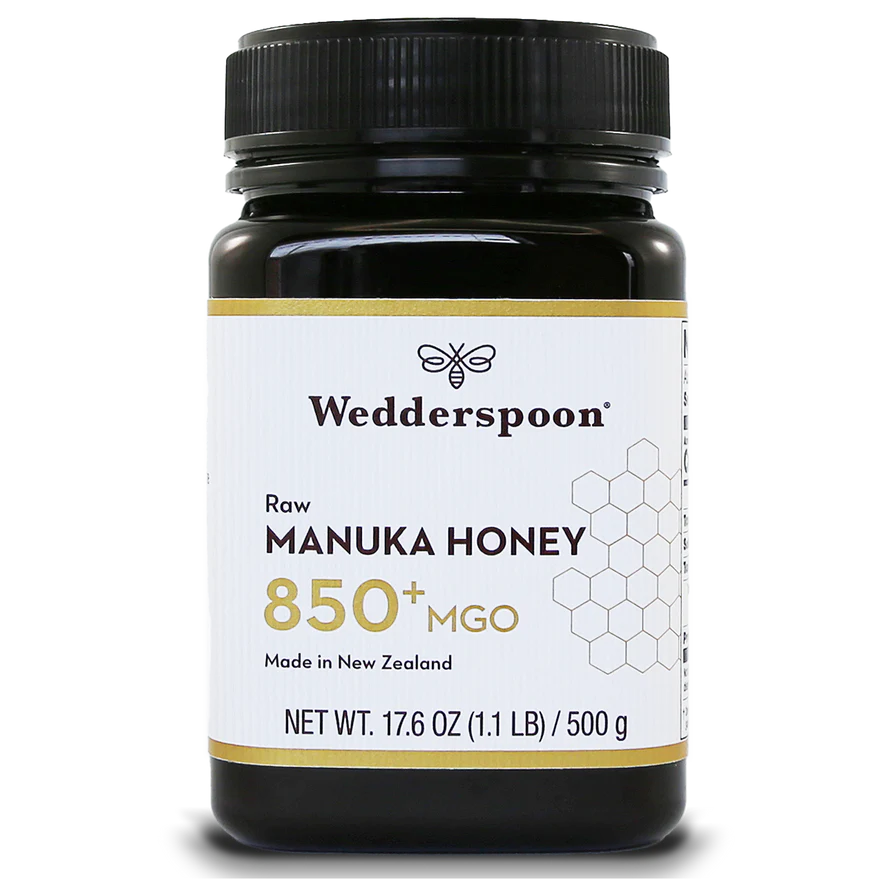
✔ New Zealand sourced
⚠ KFactor is a Wedderspoon-proprietary grading system
⚠ Not independently verified the way UMF is
Buy on Amazon
Wedderspoon sources Manuka honey from New Zealand, and that part checks out. The issue is KFactor. Their grading system is proprietary, designed and operated by Wedderspoon rather than an independent body. It measures pollen count from Leptospermum scoparium flowers, which is a legitimate indicator of Manuka origin, but it doesn’t measure methylglyoxal or leptosperin. Those are the compounds UMF tests, and without them, KFactor and UMF aren’t directly comparable.
That’s not an accusation of fraud. Wedderspoon has been in the market long enough that outright deception would have surfaced. The problem is structural: when a brand designs its own certification, there’s no way for the reader to verify whether the grading criteria were set to be achievable rather than rigorous.
Best for: A lower-cost entry to Manuka honey where New Zealand sourcing matters but UMF-level verification isn’t the priority.
⚠ Flagged: Y.S. Eco Bee Farms
Y.S. Eco Bee Farms is the top-selling USDA Organic honey on Amazon, with over 4,700 reviews and a 4.7 rating. It’s also the brand most likely to appear in “best organic honey” roundups as the default pick. The reasoning is understandable: affordable, highly rated, real USDA Organic certification.
The flag isn’t that Y.S. Eco is adulterated. We have no evidence of that. A 2021 Honey Integrity Task Force analysis of 30 top-selling US retail honey products found none of them adulterated. The flag is what the quality claim rests on. Y.S. Eco’s quality signal is USDA Organic, full stop. That certification covers beekeeping practices. It doesn’t require post-harvest purity testing. We found no published independent purity testing from Y.S. Eco that would address the C3 syrup gap this article describes.
In a category where the main US purity test can’t detect the most common modern adulterant, USDA Organic is a meaningful but insufficient signal. Buying it isn’t a mistake. Treating the label as a purity guarantee is.
The Thing Nobody Tells You: Why “Organic” Doesn’t Mean “Pure”
The test the US uses to check for honey adulteration is called the AOAC 998.12 method. It works by comparing carbon isotope ratios: carbon-13 to carbon-12 in the honey itself versus the same ratio in the honey’s protein fraction. Corn syrup and cane sugar both come from C4 plants, which leave a distinct isotope signature. That signature differs enough from real honey that the test catches it reliably.
Rice, wheat, sugar beet, and cassava take a different photosynthesis pathway: C3. Their isotope ratio falls in exactly the same range as real honey. Industry testing documentation shows rice syrup can be blended in at roughly 40% concentration and still return a clean result on the C4 test. The test wasn’t built to catch C3 adulterants, and it doesn’t.
When the European Commission ran its 2023 investigation on 320 import samples, the adulterants it found were rice, wheat, and beet syrups: C3 plants, invisible to the standard US test. The EU used NMR spectroscopy and additional detection methods. The US requires neither at retail.
USDA Organic certification targets farming practices: what the bees eat, where they forage, how the hive is managed. Those rules don’t reach post-harvest dilution, and they don’t include a purity testing requirement. A jar can carry a USDA Certified Organic seal and have passed zero purity tests.
Label Decoder
| Label | What it means | Worth paying for? |
|---|---|---|
| USDA Organic | Beekeeping practices (forage, no antibiotics). No purity testing required. | Yes, with caveats. Doesn’t guarantee purity. |
| UMF Certified | Manuka-specific: potency, authenticity, freshness, purity. Independently tested. | Yes, for Manuka buyers specifically. |
| Raw / Unfiltered | Not ultra-filtered or high-heat pasteurized. Pollen intact. | Yes. Harder to fake at scale; pollen is traceable. |
| KFactor | Wedderspoon’s proprietary Manuka pollen count. Not independently verified. | Moderate. Sourcing is real, not UMF-equivalent. |
| Pure Honey | No legal standard in the US. Unenforceable claim. | No additional signal. |
| Natural | No legal definition for honey. Meaningless. | No. |
Honest Recommendation
For Manuka honey: New Zealand Honey Co. with UMF certification. UMF requires independent lab testing with a named scope and a certifying body that operates outside the brand. Nothing else on this list comes close on that standard.
For everyday raw honey: Beekeeper’s Naturals. They publish more about their testing than anyone else here, even if purity testing specifically isn’t part of it. That’s a transparency floor, not a guarantee.
For single-origin variety: Bloom Honey. The sourcing model is structurally harder to compromise at scale than a commodity organic label. Crystallization complaints in the reviews are a sign of real raw honey, not a quality problem.
The question worth asking about any honey isn’t whether it’s organic. It’s what purity test the brand ran after the bees did their part, and whether that test catches what’s actually turning up in import shipments. Most labels answer the first question. Almost none answer the second.
For more on what certification labels actually verify in food categories, see our piece on organic cleaning products. The same gap between label and testing applies there.