Some links in this article are affiliate links. No brand paid to be included.
Two independent labs tested bone broth for heavy metals within a year of each other. One found nothing concerning across ten products. The other found lead over California’s warning threshold in ten out of eleven. Same basic category, almost opposite results.
That’s not one test being wrong. It’s what happens when a contamination risk depends on the specific animal, not the process used to make the broth. To understand why, you have to look at something that has nothing to do with cooking at all: why lead ends up in bone in the first place, and why your body, and every animal’s body, has almost no way to tell it apart from calcium.
Lead Gets Into Bone by Impersonating Calcium
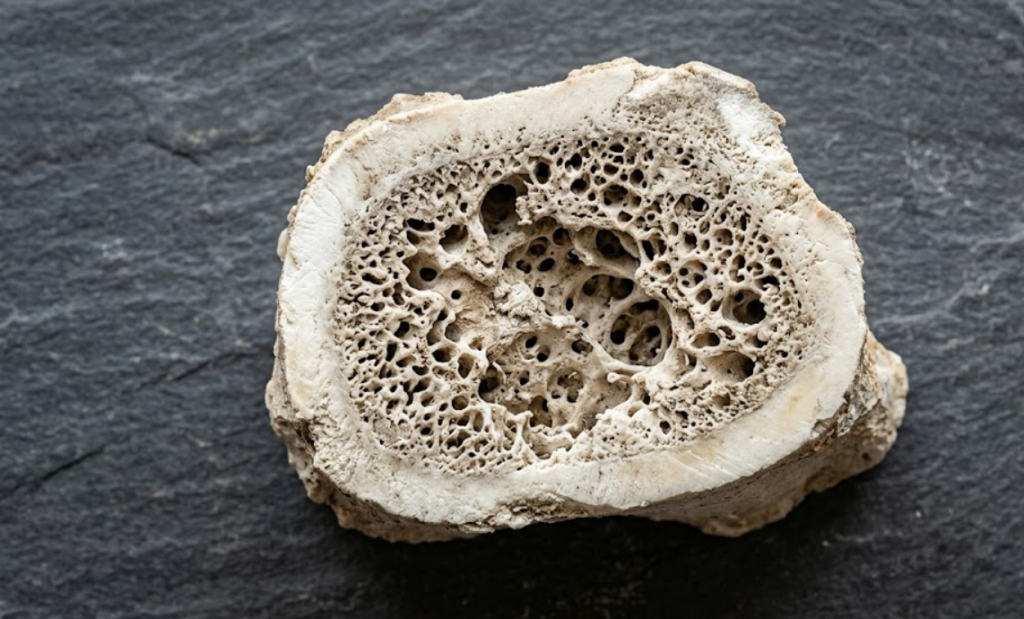
Lead and calcium are almost the same size, ionically speaking. That similarity is the entire problem. Bone is built from a mineral called hydroxyapatite, a calcium-phosphate crystal, and the cells that build bone aren’t picky about which similarly-sized ion they grab during construction. When lead is circulating in an animal’s bloodstream, bone-forming cells incorporate it into that crystal structure right alongside calcium, because chemically, there’s not much difference for the cell to detect.
Once it’s in, it stays. Around 90 percent of the lead in a mammal’s body ends up stored in bone, some of it for decades, because bone is metabolically stable compared to blood or soft tissue. This isn’t a design flaw. It’s actually protective in the short term: tucking a toxic metal into bone keeps it away from more sensitive tissue like the brain and kidneys. But it also means bone works as a long-term archive of everything an animal was ever exposed to. Contaminated water at age one. Old lead paint dust blown across a pasture. A grazing field near a road that used to run on leaded gasoline. All of it, filed away in the skeleton, showing up decades later.
This is also why lead levels in bone broth can’t be predicted by how “clean” a farm’s current practices are. Organic certification, grass-fed labeling, pasture size, none of it can undo exposure that happened years before slaughter, and none of it tells you anything about what a specific animal encountered over its life. Two animals raised on the same farm today, one older and one younger, could carry meaningfully different lead burdens simply because bone lead accumulates with age.
Cooking Doesn’t Add Lead. It Releases What Was Already There.
The same chemical similarity that let lead into the bone also lets it back out during cooking.
Bone constantly cycles between building up and breaking down, even after an animal dies and its bones end up in your pot. A 2017 controlled study measured this directly: lowering a broth’s pH, roughly the effect of adding a splash of vinegar to “draw out” more nutrients, increased calcium extraction from bone by a factor of over 17. Longer simmering pulled out still more. The study didn’t isolate lead specifically, but the mechanism doesn’t discriminate between minerals sitting in the same crystal structure. Acid and time pull out the calcium and collagen you want, and whatever else happens to be embedded alongside them.
None of this means bone broth is uniquely dangerous. The same 2017 research found that actual toxic metal levels extracted were low, a few micrograms per serving, which is not the threshold at which real harm occurs. It means the amount of lead in your finished broth was mostly decided years earlier, by an animal you’ll never meet, grazing somewhere you’ll never see.
Why the Two Studies Disagree, and Why That’s Actually the Answer
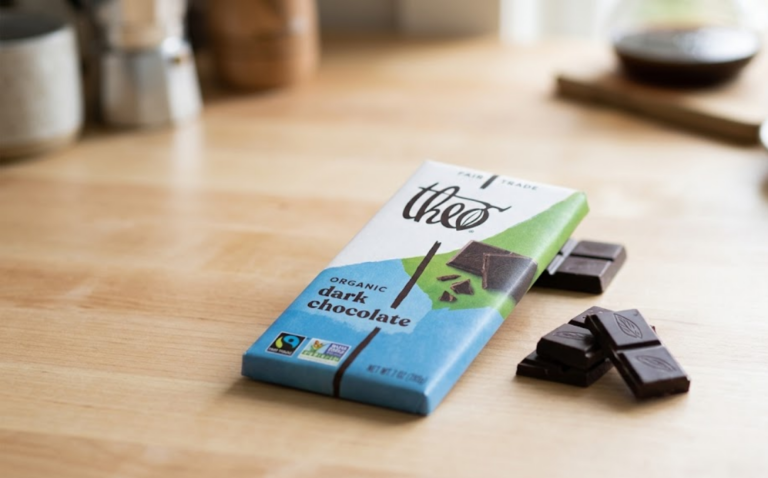
Once you understand the mechanism, the contradiction between the 2025 ConsumerLab results (clean) and the 2024 Mamavation results (mostly over the Prop 65 threshold) stops being confusing. Different labs tested different products, made from different animals, raised in different places. A test result for one brand tells you almost nothing about another, because the variable that actually matters, one particular animal’s lifetime lead exposure, isn’t something a shared industry standard can capture. We ran into the same pattern with chocolate’s cadmium and lead problem: a certification tells you about the process, never about the specific batch in front of you.
This is the actual lesson, and it’s a more useful one than “bone broth is safe” or “bone broth is risky.” Neither category-wide claim is true, because the category isn’t the variable that determines the outcome. The specific product is. A company that publishes a recent, third-party lab report for the exact product on your shelf is giving you something real. A company that points to its organic certification, its grass-fed labeling, or its general reputation is giving you something else entirely: a claim about the process, not a measurement of the result.
What This Actually Means for You
You don’t need to give up bone broth, and you don’t need to interrogate every farm’s soil history. Two things are worth doing:
Look for a brand that publishes an actual, recent, product-specific heavy metals report, not a general statement that they “test for quality.” The difference between those two things is the difference between evidence and marketing copy.
If you’re drinking bone broth daily, or making it for a household with young children or someone pregnant, that’s when a published lab report starts to matter more than convenience or price. Occasional bone broth from a reasonable brand isn’t something to lose sleep over. It’s something to buy a little more carefully.
For the specific brands we found with real, published testing behind them, see our bone broth brand roundup.