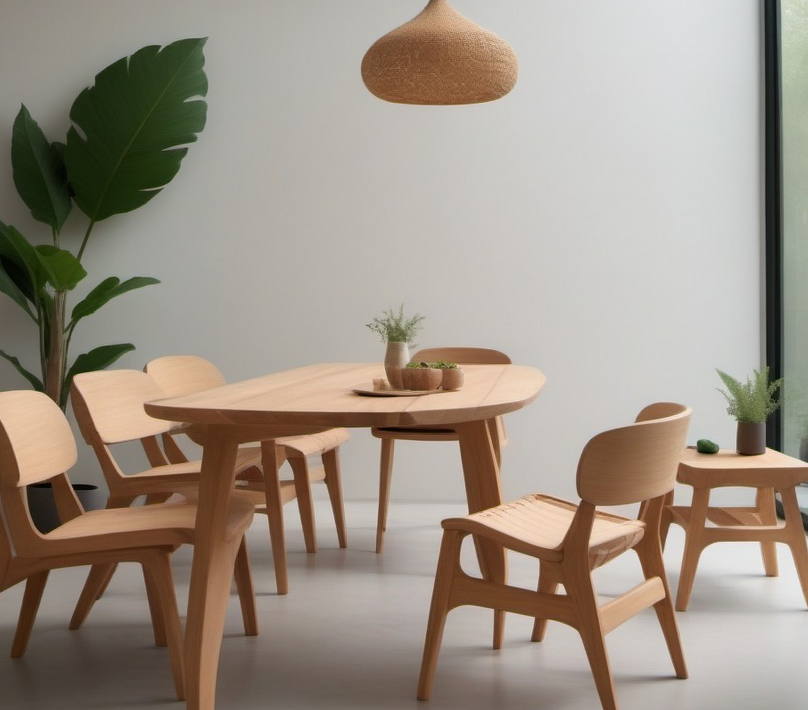
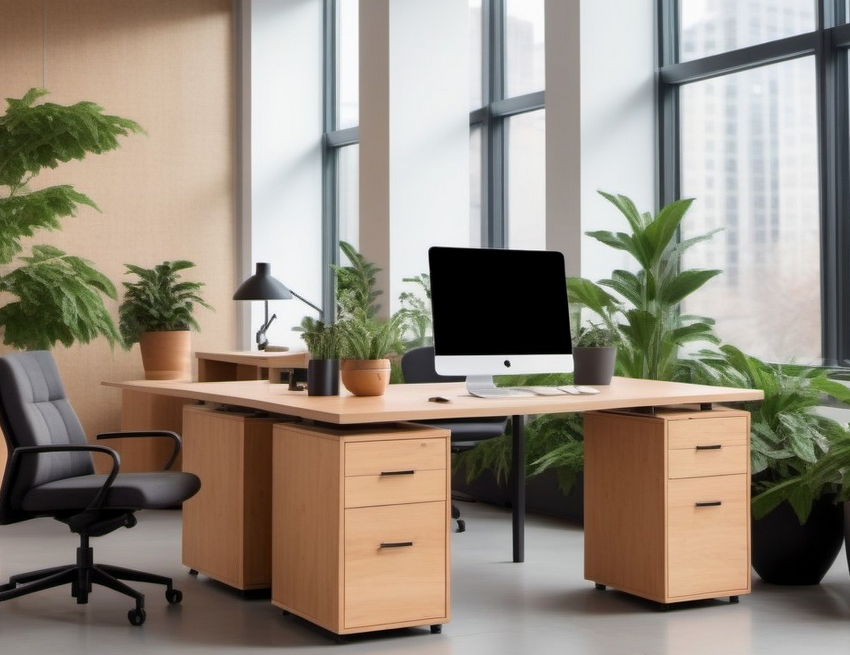
Americans throw out 12.1 million tons of furniture a year, according to the EPA’s own materials and waste data. Of that, 80.1% goes straight to a landfill. Only 0.3%, about 40,000 tons, gets recycled.
Upcycled furniture is one answer to that problem. The term gets used loosely enough that it’s worth pinning down what it actually means, what it fixes, and where it doesn’t help.
The Furniture Waste Problem, By the Numbers
Furniture waste has grown 5.5 times over since 1960, when Americans discarded about 2.2 million tons a year. Wood and ferrous metal make up the two largest material categories in that waste stream. That’s part of why so little of it gets recycled: a typical piece mixes wood, foam, fabric, metal fasteners, and adhesive, and separating those back out costs more than the materials are worth.
Compare that 0.3% furniture recycling rate to paper and paperboard, which gets recycled roughly 68% of the time. Furniture isn’t failing to get recycled because nobody wants to recycle it. Manufacturers never built it to come apart again.
What Upcycled Furniture Actually Means
Upcycling takes an existing piece, or its salvaged materials, and turns it into something of equal or higher value than the original. It does this without breaking the material down to a raw state first. That’s what separates it from recycling.
Recycling a wood dresser means shredding it into fiber for particleboard or paper pulp. Upcycling the same dresser means stripping the old finish, swapping the hardware, maybe adding a new top, and keeping it in use, either as a dresser or as something else entirely, like a bathroom vanity or a media console.
Refurbishing is the third term people mix in here, and it means something narrower. It restores a piece closer to its original condition and function, without changing what it is. A refurbished chair stays a chair. An upcycled chair might become a plant stand.
Why It Actually Works
Solid wood furniture made before the 1990s is usually worth upcycling, because makers built it to be repaired in the first place. Real joinery, dowels, mortise-and-tenon joints, hold up in a way glue and pressed board never will. That’s also why so much of it survives long enough to reach estate sales and thrift stores rather than the curb.
Newer flat-pack furniture doesn’t offer the same upside. The RE Store puts the typical lifespan of flat-pack pieces from major retailers at around five years, about as long as a design trend lasts. Earth911’s own reporting puts the newer trend cycle even shorter, closer to ten months. Cheap furniture built for a short life is chasing a trend cycle that now moves faster than the furniture itself, and that mismatch is a real driver behind the 12.1-million-ton figure above.
None of that means flat-pack furniture can’t be upcycled at all. Paint, new hardware, and reupholstering all extend its life. It just means how much value you can add back in depends heavily on what the piece started as.
Where Upcycling Falls Short
Upholstered furniture, sofas especially, is the hardest category to upcycle well. A modern sofa combines foam, fabric, wood, metal springs, and glue in a way that resists coming apart cleanly. Reupholstering a full sofa often costs more in labor and fabric than buying new outright. Upcycling makes the most sense for structural wood and metal pieces: dressers, tables, chairs, cabinets. It makes the least sense for anything built around foam cushioning.
There’s also a shrinking pool of people who can do this work. Earth911’s reporting on Bureau of Labor Statistics data puts the number of working upholsterers in the US at roughly 22,500 in 2023, with the trend still pointed down. Sanding, painting, and swapping hardware take no special training. Reupholstering does, and fewer people know how to do it every year.
Upcycled Furniture Beyond the Home
Hotels, restaurants, and offices choose upcycled pieces for the same reasons homeowners do. A refinished piece usually costs less than a custom order. It comes with a story a catalog item doesn’t have. And it signals a sustainability commitment that guests and employees both notice.
Where to Find Pieces Worth Upcycling
Estate sales and university move-out days in late spring turn up the most solid-wood furniture per hour spent looking. Both involve people clearing out older, heavier pieces rather than replacing worn-out flat-pack items. Thrift stores and local buy-nothing or curb-alert groups come next, especially for smaller case pieces like nightstands and dressers.
Two quick checks before committing to a piece. First, open every drawer and door to check the joinery: dovetails or interlocking wood joints are a good sign, staples and glue alone are not. Second, check underneath or on the back for a maker’s stamp or label. That alone can tell you the era, and sometimes the wood species, before you’ve spent a dollar.
Common Questions About Upcycled Furniture
Is upcycled furniture actually durable?
It depends entirely on what’s underneath the new finish. Solid wood with real joinery outlasts most new flat-pack furniture, even after being upcycled twice over. Upcycling can’t add structural integrity a piece never had. It can only refinish and repair what’s already there.
Is upcycled furniture cheaper than buying new?
Usually, for anything you do yourself with paint, hardware, and basic tools. It gets expensive fast once professional reupholstery or structural repair gets involved, since labor and fabric on a single piece can outprice buying new.
Where can I find upcycled furniture?
Estate sales, thrift stores, local buy-nothing groups, online marketplaces, and independent makers are the main channels. See the sourcing section above for what to check before buying.
Can any piece of furniture be upcycled?
No. Structural wood, metal frames, and solid case pieces make good candidates. Foam and glued composite board don’t hold up to rework. Heavily upholstered pieces like sofas need skilled labor that’s getting harder to find every year.
The one-line version: before buying anything new, check whether a solid-wood version of it already exists secondhand within driving distance. Most towns have at least one estate sale or thrift store worth a look before a single new order gets placed.
If solid wood pieces are what you’re after, sustainable bamboo furniture is worth a look as a newer alternative built with the same repairability upcycling depends on. For more ways to cut waste out of the rest of the house, see our guide to eco-friendly home decor.