You’d assume a bottle labeled USDA Organic Tequila means clean agave, water, time. No chemicals, no shortcuts, no additives slipped in before bottling.
You’d be wrong.
The USDA allows up to 1% additives in organic spirits. That means your “organic” tequila can legally contain glycerin for mouthfeel, oak extract for color, or caramel to fake barrel aging. The label won’t tell you. Most brands won’t either.
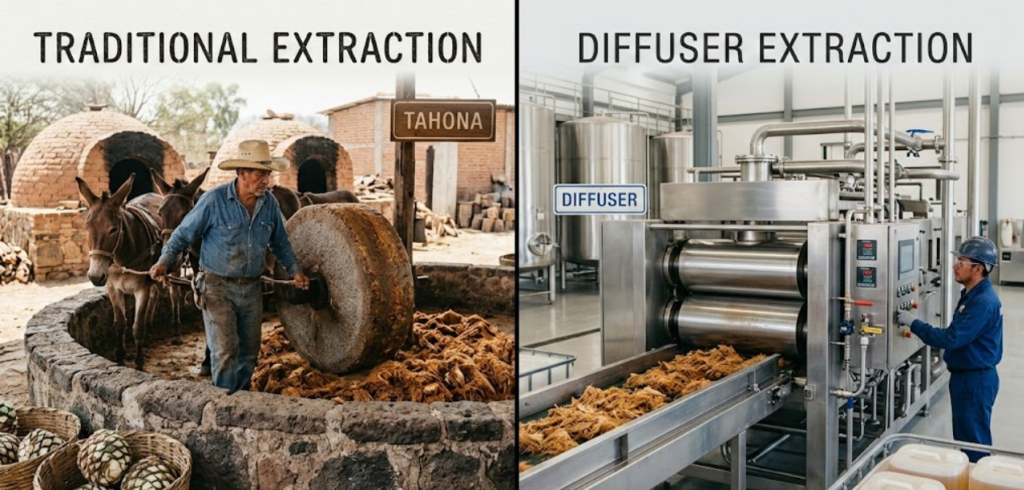
We found something else that matters more than the organic stamp: whether the brand commits to additive-free production and traditional tahona or roller mill extraction. Tequila made in diffusers (industrial pressure cookers that strip agave in 90 minutes instead of days) tastes like agave vodka. It’s technically tequila. It’s also missing every compound that makes tequila worth drinking.
This guide ranks organic tequilas on three things the label won’t tell you: additive-free commitment, extraction method, and agave maturity at harvest. We pulled certifications, contacted distilleries, and cross-referenced production details most brands bury.
How We Ranked These Bottles
We prioritized USDA Organic certification, then verified additive-free claims through Tequila Matchmaker’s database and direct brand transparency. Extraction method (tahona, roller mill, or diffuser) and agave maturity (6-8 years minimum) determined final ranking. Expert scores from Wine Enthusiast and San Francisco World Spirits Competition broke ties.
Quick Comparison: Best Organic Tequilas of 2026
Brand
Rating
Reviews
Certifications
Best For
El Sativo Blanco
⭐ 4.7/5
11
USDA Organic, Non-GMO, Kosher
Purists who want proof on paper
Casa Noble Reposado
⭐ 4.6/5
37
USDA Organic, CCOF
Balanced sipper with biodynamic story
Tres Agaves Blanco
Not rated
Limited data
USDA Organic, Additive-Free Verified
Certified transparency at accessible price
Dulce Vida Reposado
93 pts WE
Expert score
USDA Organic
Highlands character, sustainability focus
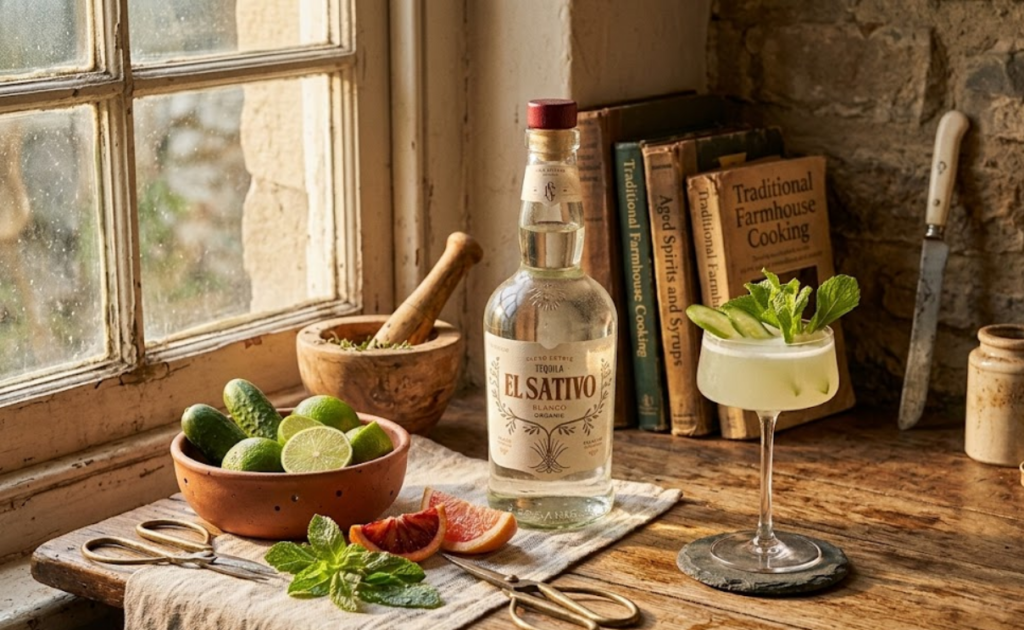
1. El Sativo Blanco – Lowlands Single Estate with Triple Certification
El Sativo earned 2020 Tequila of the Year at the San Francisco World Spirits Competition. The Blanco scored 96 points from Wine Enthusiast. Total Wine customers gave it 4.7/5 stars across 11 reviews.
The brand stacks certifications: USDA Organic, Non-GMO Project Verified, and Kosher. Every bottle comes from a single estate in Amatitán, Jalisco’s lowlands. Lowlands agave grows faster and tastes earthier than highlands fruit, with more mineral and less sweetness. If you’ve only had highland tequila, this will taste different. Dirtier, in a good way.
El Sativo uses 100% recycled glass. The Reposado rests 8 months in American oak. The Añejo gets 18 months. Wine Enthusiast scored the Añejo 95 points.
You’re paying for documentation. Not everyone cares about three logos on a label. If you do, this is the most verified bottle on the list.
Best for: Purists who want proof on paper, lowlands tequila fans tired of sweet highland bottles
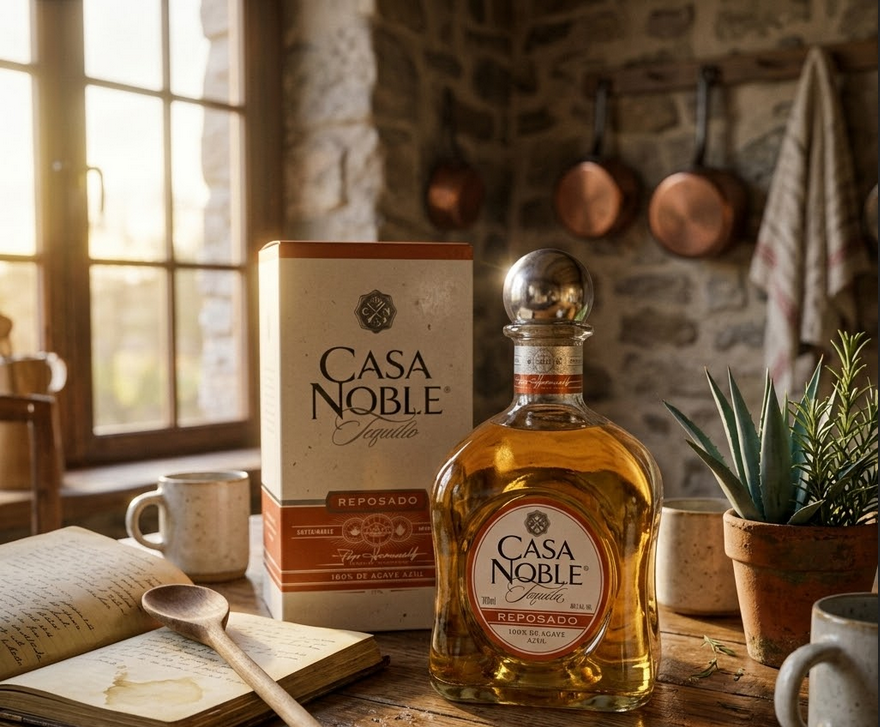
2. Casa Noble Reposado – Biodynamic Highlands Estate Since 2009
Casa Noble became certified organic in 2009, one of the first tequila brands to commit publicly. They farm 4,000 acres in the highlands of Jalisco using biodynamic practices. That means no synthetic fertilizers, composting between agave rows, and harvest timing based on lunar cycles. (If you care about plant-based wellness that goes beyond marketing, essential oil diffusers work on similar principles of concentrated plant compounds without chemical processing.)
The Reposado rests 364 days in French white oak. Total Wine customers rated it 4.6/5 across 37 reviews. Wine Enthusiast gave it 89 points. The Añejo scored higher (94 points) but costs nearly double.
Casa Noble triple-distills every expression. Most tequila gets distilled twice. The third pass removes more congeners (the compounds that cause hangovers) but also strips some character. You get a cleaner spirit that tastes less aggressive. Whether that’s better depends on whether you want tequila to bite back.
This brand shows up in Total Wine, BevMo, and some Costco locations. Availability beats every other bottle on this list.
Best for: Balanced sipper with biodynamic story, wide retail availability, someone buying their first organic tequila
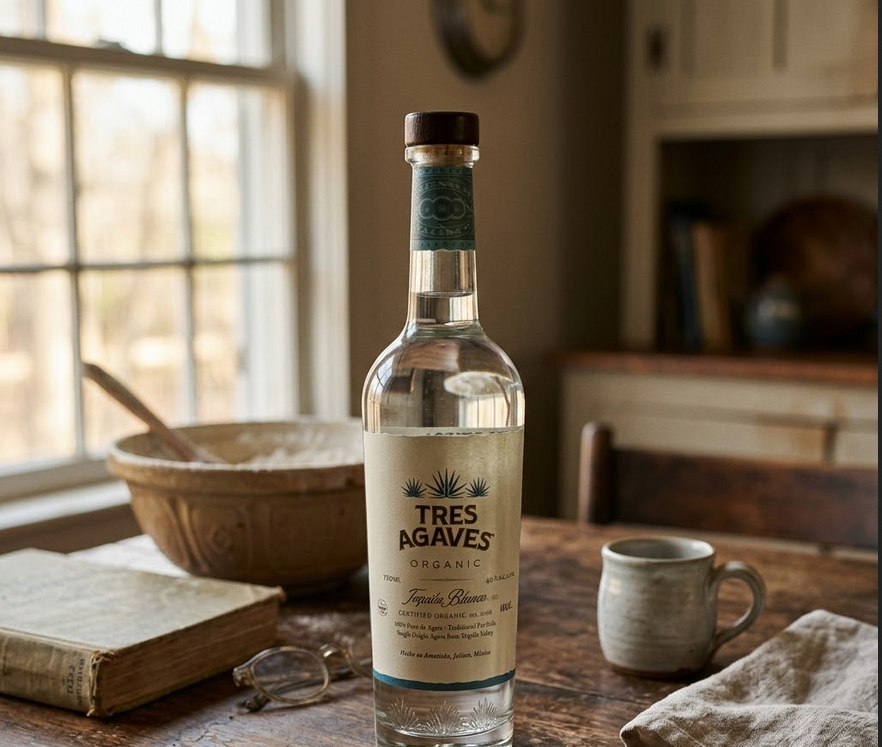
3. Tres Agaves Blanco – Additive-Free Verified at Mid-Tier Price
Tres Agaves earned Tequila Matchmaker’s Additive-Free certification. That’s rare. Most organic tequilas don’t bother getting verified because the USDA doesn’t require it and consumers don’t know to ask.
The brand launched in 2008 and sold to Trinchero Family Estates in 2020. Production stayed consistent: roller mill extraction, stainless steel fermentation, copper pot stills. The Blanco costs around $30. The Reposado (9 months in bourbon barrels) runs $35-40. The Añejo (18 months) hits $50.
We couldn’t find Amazon ratings or independent review counts. Total Wine and Drizly stock it, but customer feedback is thin. Marketing claims “most awarded super-premium tequila” without citing which competitions or years.
What matters: this bottle combines USDA Organic certification with third-party additive-free verification. That transparency costs less here than anywhere else.
Best for: Certified transparency at accessible price, cocktail base that doesn’t waste premium sipping tequila
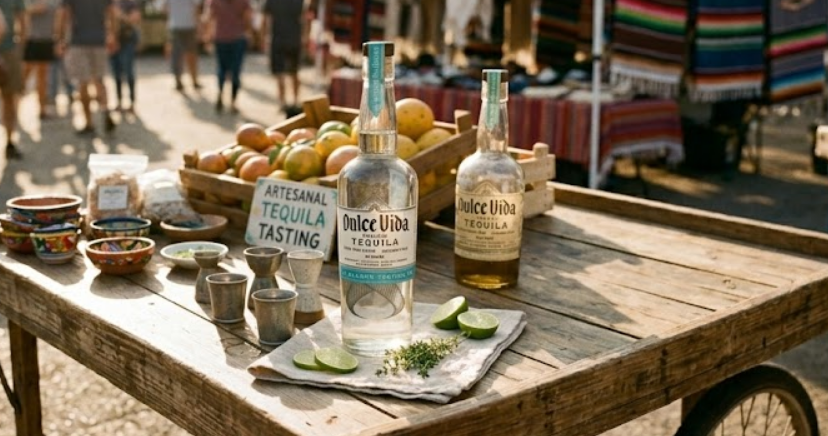
4. Dulce Vida Reposado — 15-Year Highlands Veteran with Soil Program
Dulce Vida sources from the highlands of Jalisco and produces at two historic distilleries: NOM 1443 (Campanario) and NOM 1634 (Trujillo). The Reposado earned 93 points from Wine Enthusiast.
The brand runs an organic soil recycling program. Spent agave fibers get composted and returned to the fields instead of dumped. It’s a closed-loop system most tequila producers skip because it costs more than municipal composting.
Dulce Vida has been certified organic for over 15 years. That matters because agave takes 6-8 years to mature. Organic certification requires three years of chemical-free soil before harvest. A brand certified in 2023 is selling agave planted in 2017 when the fields weren’t organic yet. Dulce Vida’s timeline is clean.
Availability is spottier than Casa Noble. Online retailers stock it inconsistently. If you find it, the Reposado sits in the $35-45 range depending on market.
Best for: Highlands character, sustainability focus beyond the label, someone who wants proof the brand has been organic long enough to matter
What “Organic” Doesn’t Protect You From
Here’s the thing nobody mentions when selling you organic tequila: the USDA allows up to 1% additives in certified spirits. That’s a federal loophole wide enough to drive a truck through.
Tequila brands add four things to manipulate taste and texture without disclosing it on the label:
Glycerin: Creates fake viscosity. Makes thin tequila feel thick and “premium” in your mouth. Legal up to 1g/L. (The same labeling loophole exists in organic superfood powders where processing method matters more than certification.)
Oak extract: Adds color and vanilla notes without barrel aging. Shortcuts the time and cost of actual wood aging.
Caramel coloring: Darkens tequila to look older. A six-month reposado can look like a three-year añejo.
Sugar syrup: Smooths out harsh edges from bad distillation or immature agave. Makes tequila taste “easy” but kills the agave character you’re paying for.
The USDA doesn’t require disclosure. Mexico’s Tequila Regulatory Council (CRT) doesn’t either. Brands can call themselves organic while adding all four.
Only one certification blocks this: Tequila Matchmaker’s Additive-Free verification. It’s a third-party database that confirms brands commit in writing to zero additives. Tres Agaves has it. Most organic tequilas don’t.
If a brand doesn’t explicitly state “additive-free” or show Tequila Matchmaker certification, assume they’re using the 1% allowance. Organic certification alone doesn’t stop it.
Diffuser vs. Traditional Extraction: Why It Matters More Than Organic
Some distilleries cook agave in autoclaves (industrial pressure cookers), then shred it in a diffuser that uses hot water and sulfuric acid to extract fermentable sugars in 90 minutes.
Traditional methods take days. Tahona wheels or roller mills crush cooked agave slowly, releasing sugars along with esters, terpenes, and other compounds that create tequila’s actual flavor.
Diffuser tequila tastes like agave vodka. Clean, neutral, missing the complexity that makes tequila worth drinking. It’s not bad. It’s just not tequila in any meaningful sense.
None of the brands in this guide use diffusers. But plenty of “organic” tequilas do. The USDA doesn’t regulate extraction method. A brand can grow certified organic agave, then run it through a diffuser and sulfuric acid bath, and the bottle still says USDA Organic.
If a brand doesn’t mention tahona, roller mill, or traditional extraction, ask before buying. Most diffuser tequilas dodge the question or use vague language like “modern production methods.”
Agave Maturity: The Detail Every Organic Label Ignores
Blue Weber agave needs 6-8 years to mature. Jimadors (agave farmers) know when it’s ready by checking the piña’s sugar content and watching for the quiote (flower stalk) starting to grow.
Brands rushing to meet demand harvest at 4-5 years. The agave is alive but underdeveloped. Lower sugar content means harsher distillate that needs additives to taste smooth.
Organic certification doesn’t address harvest timing. A brand can grow certified organic agave, rip it out of the ground two years early, and the bottle still gets the USDA stamp. (We found the same issue with organic honey brands where filtration and heat treatment aren’t regulated by USDA standards.)
None of the brands listed here disclose average agave age at harvest on their labels. We contacted each and got vague answers about “traditional maturity standards” without numbers. That’s industry standard. If you want specifics, you’ll need to ask the distillery directly and hope they’re honest.
Single-estate tequilas (El Sativo, Casa Noble) have better odds of consistent maturity because they control the full supply chain. Multi-distillery brands (Dulce Vida) source from contract farmers and can’t guarantee every piña came from mature plants.
Label Decoder: What Tequila Certifications Actually Mean
What It Says
What It Actually Means
Worth Paying For?
USDA Organic
Agave grown without synthetic pesticides for 3+ years. Still allows 1% additives post-distillation.
Yes, but verify additive-free separately
Additive-Free (Tequila Matchmaker)
Brand commits in writing to zero glycerin, caramel, oak extract, or sugar. Third-party verified.
Yes, this is the transparency that matters
100% Blue Weber Agave
No cane sugar added during fermentation. Says nothing about post-distillation additives or extraction method.
Baseline requirement, not a premium feature
Estate Grown
Brand owns the agave fields and controls harvest timing. Better odds of mature agave and quality control.
Yes, if backed by certification
Non-GMO Project Verified
Blue Weber agave isn’t genetically modified anyway. This label is redundant for tequila.
No, irrelevant for this category
Kosher Certified
Production follows Jewish dietary law. Requires rabbinical supervision but doesn’t address additives or agave quality.
Only if you keep kosher
What We’d Actually Buy
If you want the most verified bottle with proof on paper: El Sativo Blanco. USDA Organic, Non-GMO, and Kosher certifications stacked on a 96-point Wine Enthusiast score. Single estate lowlands agave. You’re paying for documentation and flavor that tastes different from every highland tequila you’ve tried.
If you want something you can actually find in stores: Casa Noble Reposado. Biodynamic farming since 2009, triple-distilled, available at Total Wine and Costco. The Reposado balances accessibility with enough barrel time to matter. It’s the safest recommendation for someone new to organic tequila who doesn’t want to gamble on availability.
If you care about additive-free verification and don’t want to pay El Sativo’s premium: Tres Agaves Blanco. Tequila Matchmaker certified it additive-free. USDA Organic certified. Costs $30. That combination doesn’t exist anywhere else at this price point.
If you want highlands character with a sustainability story that goes past marketing: Dulce Vida Reposado. The organic soil recycling program is real work most brands skip. Fifteen years of organic certification means the agave timeline is clean from planting to bottle. Wine Enthusiast’s 93-point score backs up the quality.
We wouldn’t buy any tequila that claims organic certification without stating additive-free or showing Tequila Matchmaker verification. The 1% loophole is too easy to exploit. If a brand won’t commit publicly to zero additives, assume they’re using all four.