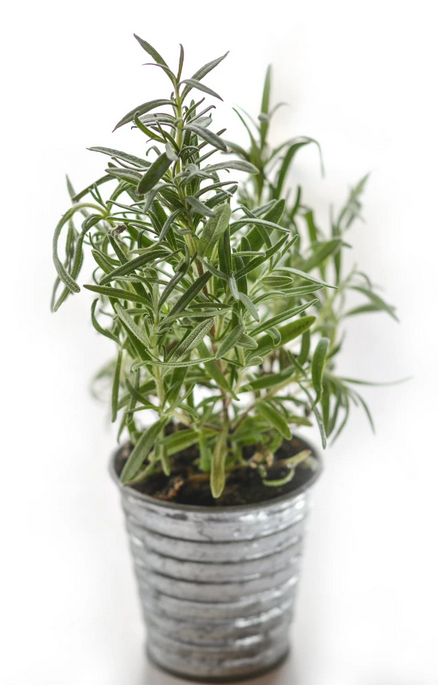
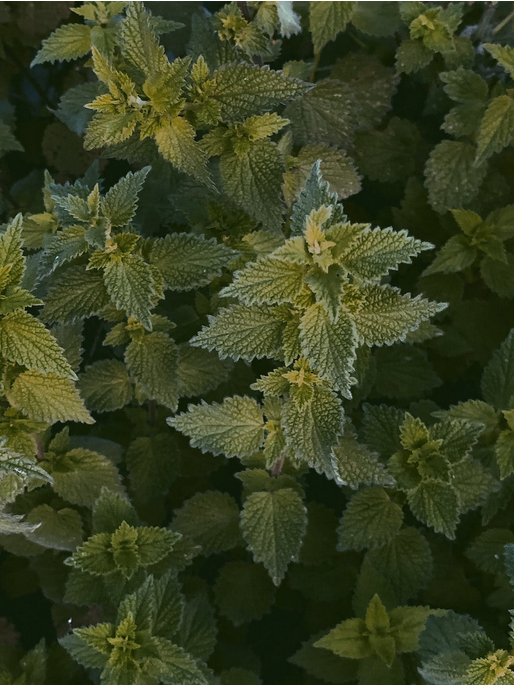
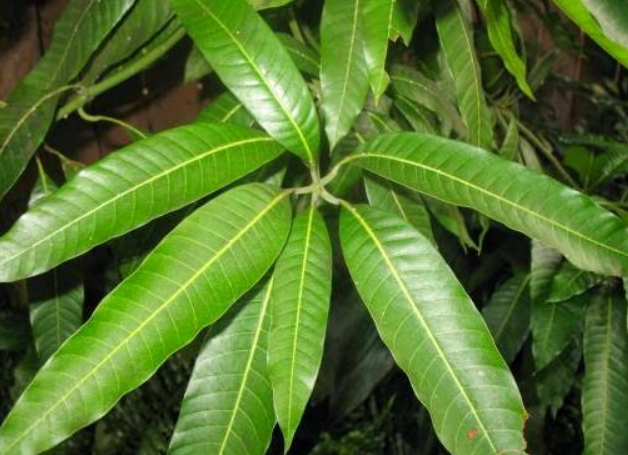
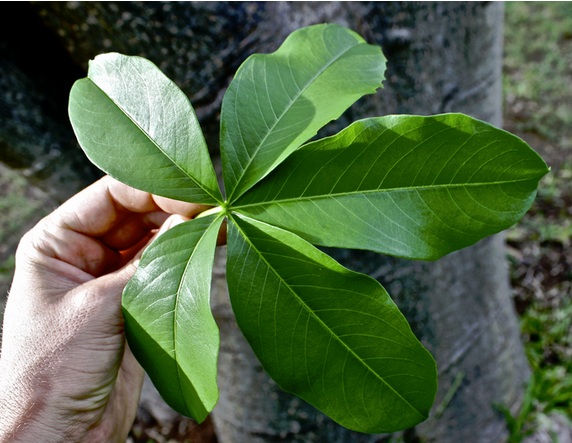
Baobab tree leaves, harvested from the ancient Adansonia digitata, have been a nutritional staple in African diets for centuries : and for good reason. Packed with protein, vitamins, and minerals, they’re increasingly recognized as a superfood in the West. We’ve previously covered similarly powerful leaves like organic nettle leaves, mango leaves, and organic dried rosemary : and baobab tree leaves belong in that same conversation. In this guide, we cover everything: nutrition, health benefits, hair uses, culinary tips, safety, and where to buy them.
Nutrient Profile of Baobab Tree Leaves
Rich in Antioxidants
Baobab tree leaves contain high concentrations of antioxidants
Abundant in Vitamins
Baobab leaves are rich in vitamins C, A, and K [2]. Vitamin C supports immune function and skin health, vitamin A is essential for vision and cell growth, and vitamin K plays a key role in blood clotting and bone metabolism.
Mineral Mine
Baobab tree leaves are excellent sources of iron, calcium, potassium, and magnesium [3]. Iron helps prevent anemia, calcium supports bone density, and potassium helps regulate blood pressure. Their mineral density is comparable to many widely used leafy greens.
High Protein Content
One lesser-known fact: baobab tree leaves contain 10–17% crude protein, with an amino acid profile that rivals conventional protein sources. This makes them particularly valuable in regions where animal protein is scarce, and increasingly interesting to plant-based diet enthusiasts globally.
Health Benefits of Baobab Leaves
Immune System Boost
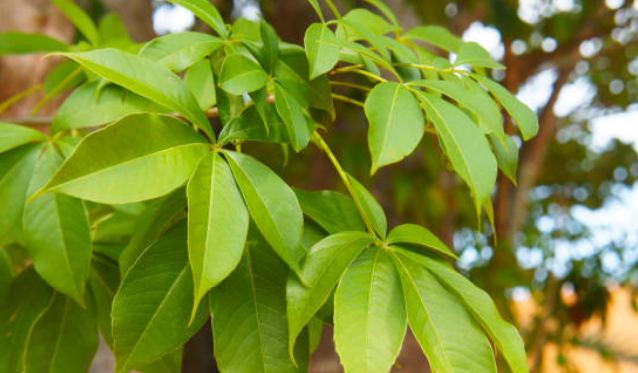
The high vitamin C content in baobab leaves makes them a natural immune supporter. Regular consumption may enhance your body’s ability to fight off infections, reduce the duration of colds, and maintain overall immune resilience.
Anti-Inflammatory Properties
Studies suggest baobab leaves possess meaningful anti-inflammatory properties. This may help reduce symptoms associated with chronic inflammatory conditions such as arthritis and inflammatory bowel disease, making them a useful dietary addition for those managing these conditions.
Blood Sugar Regulation
Research [4] indicates baobab leaves may play a role in moderating blood sugar levels, potentially benefiting people managing type 2 diabetes or insulin resistance. As always, consult a healthcare provider before using them therapeutically.
Digestive Health
Baobab leaves are rich in dietary fiber [5], supporting healthy digestion by promoting regular bowel movements, feeding beneficial gut bacteria, and reducing constipation. Their demulcent properties also help soothe the digestive tract lining.
Baobab Leaves for Hair
Beyond internal health, baobab leaf powder is gaining traction in natural hair care. The leaves’ high vitamin and mineral content : particularly vitamin C and iron supports scalp health and hair strength from within when consumed. Topically, baobab leaf extracts are used in some leave-in conditioners and hair oils for their moisturizing and antioxidant properties. If you’re looking for a natural boost for hair growth and scalp health, baobab leaf powder is worth exploring both as a dietary supplement and as an ingredient in DIY hair treatments.
Culinary Uses and Incorporation
Culinary Versatility
Baobab tree leaves have a mild tangy, slightly sour flavor that works well across many dishes. Fresh leaves can be cooked like spinach : added to soups, stews, and sauces. In West Africa, dried and powdered baobab leaves (known as lalo or miyar kuka) are a traditional thickening agent for stews and porridges.
Preparation Tips
To maximize nutritional retention, lightly cook fresh baobab leaves rather than boiling them for extended periods. Dried baobab leaf powder can be stirred into smoothies, soups, or grain dishes. You can also brew them as a tea for a convenient antioxidant-rich drink. Capsule supplements are available for those who prefer a no-fuss option.
Are Baobab Leaves Safe? Side Effects to Know
Baobab leaves are generally considered safe when consumed in normal food amounts. They have been a dietary staple in Africa for generations without reported widespread adverse effects. However, a few considerations:
Pregnancy and breastfeeding: Limited clinical data exists. Consult a healthcare provider before use as a concentrated supplement during pregnancy.
Blood sugar interaction: Given their potential blood sugar-lowering effects, people on diabetes medication should monitor levels if consuming large amounts.
Digestive sensitivity: High fiber content may cause bloating or loose stools in some individuals when consumed in large quantities. Start with small amounts and increase gradually.
As with any supplement or superfood, moderation and professional guidance apply — especially if you have existing health conditions.
Where to Buy Baobab Leaves
Baobab tree leaves are most commonly available in dried or powdered form outside of Africa. Here’s where to find them:
Online retailers: Amazon, iHerb, and Thrive Market carry baobab leaf powder from various brands. Look for organic, non-GMO certified options where possible.
Health food stores: Whole Foods, Natural Grocers, and similar stores increasingly stock baobab products : call ahead to check availability.
African grocery stores: For the most authentic and often most affordable dried baobab leaves, local African or international grocery stores are your best bet.
What to look for: Opt for products that list Adansonia digitata as the source, with no fillers or additives. Powder form offers the most versatility for culinary and supplement use.
Sustainability and Eco-Friendly Practices

Eco-Friendly Cultivation
Baobab trees are remarkably resilient, thriving in arid conditions with minimal water. They prevent soil erosion in dry landscapes and require no intensive farming inputs. This makes baobab leaves one of the most environmentally low-impact superfoods available : a genuine win for sustainability-minded consumers.
Supporting Local Economies
Baobab leaf harvesting is primarily community-based in sub-Saharan Africa, providing meaningful income to rural populations. When you purchase responsibly sourced baobab products, you’re directly supporting these communities and their sustainable livelihoods.
Reduced Carbon Footprint
The minimal water requirements, natural cultivation, and low processing impact of baobab leaves translate to a significantly lower carbon footprint compared to many cultivated crops. Choosing baobab aligns well with broader sustainability goals.
Conclusion
Baobab tree leaves are a nutritional powerhouse with a broad range of benefits : from immune support and blood sugar regulation to hair health and digestive wellness. They’re sustainable, versatile in the kitchen, and increasingly accessible worldwide. Whether you try them fresh, powdered, or as a supplement, they’re a worthy addition to a health-conscious lifestyle.