Most coconut water cartons say two things: “organic” and “natural electrolytes.” What a surprising number of them don’t say is whether you’re drinking fresh-pressed coconut water or a reconstituted powder that started its journey as a dried white concentrate in a shipping container.
“Not from concentrate” is a voluntary label claim. No regulation requires brands to disclose it. Which means the ones staying quiet about it are making a choice, and it’s worth understanding what that choice actually means for what’s in your carton.
What Concentrate Actually Is
Coconut water concentrate is made by taking fresh coconut water and evaporating most of the water content out of it under heat. What’s left is a thick, dense syrup or powder. That concentrate gets packaged, often frozen, and shipped in bulk — sometimes across oceans — to bottling facilities. At the facility, water gets added back in to reconstitute it into a drinkable liquid.
The water added back is usually filtered tap water, not coconut water. The ratio of concentrate to added water determines how “coconutty” the final product tastes. This is legal, regulated, and completely standard practice in the beverage industry. It’s also not what most people picture when they buy coconut water.
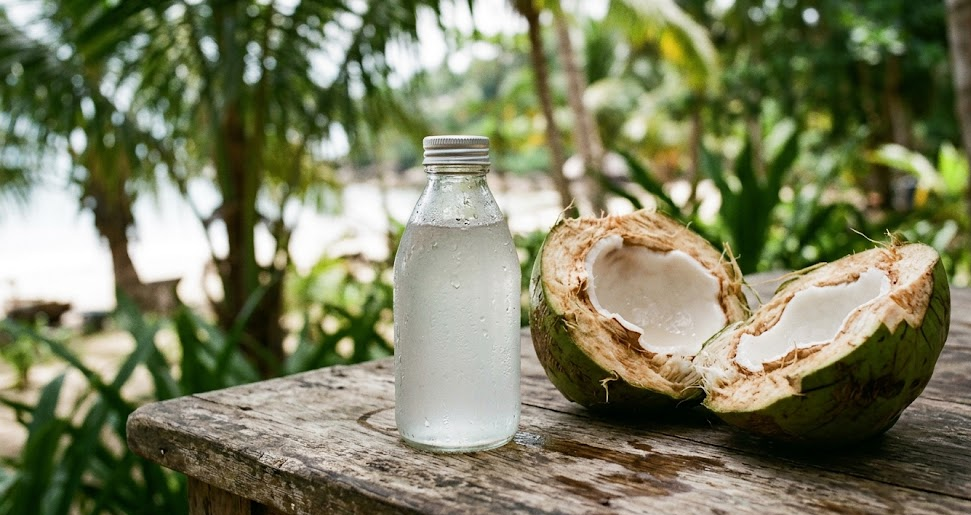
Fresh-pressed coconut water, by contrast, goes straight from the coconut to the packaging with minimal processing in between. The flavor profile is different. The enzyme activity is different. And critically, the electrolyte content is different, for reasons most brands quietly avoid explaining.
The Potassium Problem
Coconut water’s entire marketing identity is built on natural potassium. It’s the reason people buy it over sports drinks. It’s on every label, every ad, every influencer post. What the marketing doesn’t mention is that heat processing, which is central to most concentrate production, degrades potassium content.
Potassium is heat-sensitive. When coconut water gets processed at high temperatures to concentrate or pasteurize it, some of that potassium breaks down. The exact loss depends on the temperature and duration of processing, but research on heat treatment and mineral retention in fruit juices consistently shows that high-heat processing reduces electrolyte bioavailability. The thing brands are selling you on is partially destroyed by the method they use to make the product shelf-stable at scale.
This is the core irony of the coconut water concentrate market. The processing method that makes mass production economically viable undermines the nutritional claim that drives the purchase decision.
What HPP Changes
High Pressure Processing (HPP) is a different approach entirely. Instead of heat, HPP uses cold water pressure, typically around 87,000 PSI, to kill pathogens. The coconut water never gets cooked. Enzymes, antioxidants, and electrolytes that heat would degrade stay intact.
HPP is more expensive than heat pasteurization. It requires specialized equipment, shorter shelf life, and refrigerated distribution. That’s why only a small number of brands use it. It’s also why HPP-processed coconut water sometimes turns pink. The natural anthocyanins in the water oxidize when exposed to light, a reaction that heat pasteurization kills entirely. Pink coconut water is not a defect. It’s a sign the product wasn’t cooked.
The FDA recognizes HPP as a valid commercial food safety method, and its use in premium beverage production has grown steadily as brands look for ways to preserve nutritional quality without heat. It’s not a niche or experimental process. It’s just more expensive, so most brands don’t use it.
What the Label Silence Means
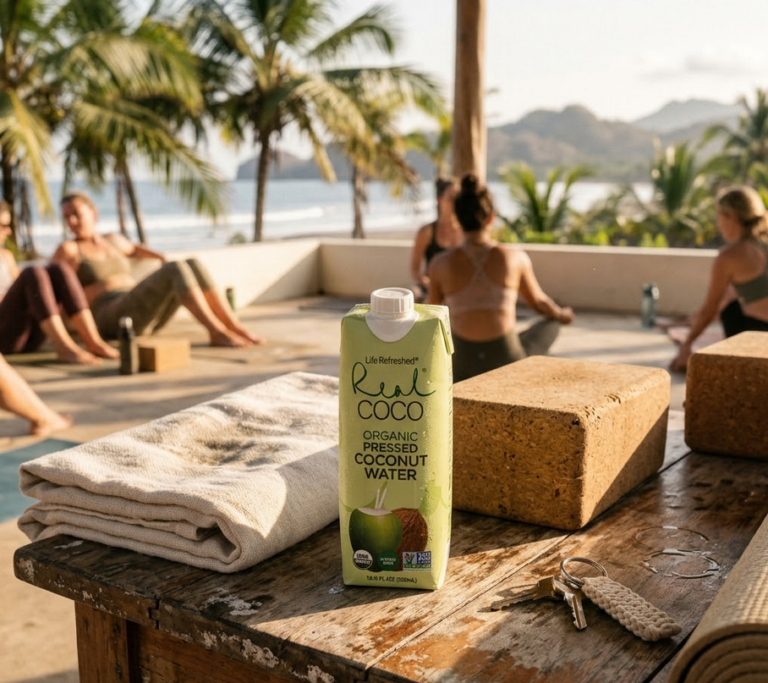
A coconut water label that says “USDA Organic” and nothing else is telling you exactly one thing: the coconuts were grown without synthetic pesticides or fertilizers. USDA Organic certification covers agricultural inputs, not processing methods. It has nothing to say about whether the water was concentrated, heat-treated, reconstituted, or how much of the potassium survived the journey from coconut to carton.
“Natural electrolytes” on the label means even less. Every coconut contains some electrolytes. The claim tells you nothing about quantity, bioavailability, or whether the processing method preserved them. It’s marketing language dressed as a nutritional claim.
The brands that make an explicit “not from concentrate” claim are making a verifiable commitment. It’s voluntary, which means making it invites scrutiny. Brands that stay silent on the question aren’t lying. They’re just not saying anything that costs them.
How to Read a Coconut Water Label
What It Says
What It Actually Means
USDA Organic
Coconuts grown without synthetic pesticides. Nothing about processing.
Not from Concentrate
Fresh-pressed, not reconstituted. A meaningfully different product.
Natural Electrolytes
Marketing language. Every coconut has electrolytes. Tells you nothing about how many survived processing.
HPP or High Pressure Processed
Not heat-pasteurized. Enzymes and antioxidants more likely intact. Pink color is normal and expected.
Single-Origin
Traceable supply chain from one source. Voluntary and verifiable. Worth something.
[No processing claim]
Brand is not committing to NFC. Assume concentrate unless stated otherwise.
What This Means When You’re Buying
If the potassium and electrolyte content is the reason you’re buying coconut water over something cheaper, the processing method matters. A product that was concentrated under heat and reconstituted with tap water is a different product from fresh-pressed coconut water, regardless of whether both carry a USDA Organic seal.
If you’re buying coconut water because you like the taste and want something organic without overthinking the processing chain, the concentrate question probably doesn’t change your decision. Both products are legal, regulated, and genuinely organic at the farm level.
The point isn’t that concentrate-based coconut water is dangerous or dishonest. It’s that the label, as currently written, doesn’t give you enough information to know what you’re actually buying. And the brands that do make the NFC claim are offering something the others aren’t: a position on their own processing, which is worth knowing about before you spend money on either.
We ranked the organic coconut water brands that make this claim explicitly, and the ones that don’t, in our full organic coconut water brands roundup. If you’re deciding which brand to actually buy, that’s the place to start.