Your monthly utility bill tells you one number: how much you owe. It doesn’t tell you which appliance is driving that number up, which devices are drawing power while you sleep, or where the waste is actually happening. A home energy monitor closes that gap. It attaches to your breaker panel or plugs into individual outlets, then shows you, in real time, exactly how much electricity each part of your home is using. Households that install one typically cut consumption by somewhere in the range of 7 to 15 percent once they can see where the waste is, according to research on real-time energy feedback (cited below).
What Is a Home Energy Monitor, Anyway?
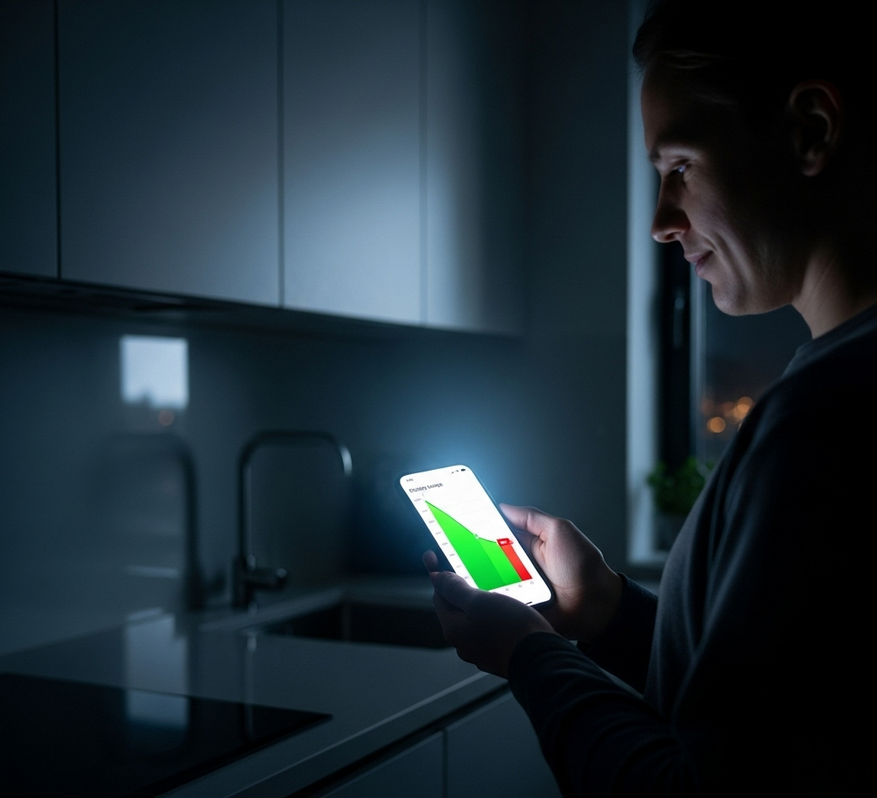
A home energy monitor is a small device that measures electricity use at the source, either at your main electrical panel or at individual circuits, and reports it to an app on your phone. Panel-level monitors clamp onto the wires feeding your breaker box and track whole-home usage broken down by circuit; plug-level monitors sit between an outlet and a single appliance and track just that one device. Either way, the app translates raw wattage into something you can actually read: which rooms, circuits, or appliances are using the most power, and when.
Some models go a step further and use load-signature detection to guess which specific appliance is running, without you tagging each circuit by hand. It’s not perfect, but it’s usually close enough to tell a refrigerator’s compressor cycling on from a space heater running a full afternoon.
Why Your Power Bill Doesn’t Tell You Anything Useful
A standard utility bill gives you one total for the month and, at most, a bar chart comparing it to last month or last year. It doesn’t say whether that total went up because of your HVAC system, an aging refrigerator, or a handful of chargers left plugged in around the house. Without that breakdown, most people can’t identify where their actual waste is coming from, so a home energy monitor is the tool that turns a single opaque number into a circuit-by-circuit picture you can act on.
Why Seeing Your Usage Changes How You Use It
Visibility on its own changes behavior. When people can watch electricity cost accumulate in real time while a device runs, they tend to turn things off sooner and think twice before leaving something running unattended. This is the same mechanism behind why a car’s real-time MPG display changes how people drive: immediate feedback closes the loop between an action and its cost. A 2010 review of real-time feedback studies by the American Council for an Energy-Efficient Economy (ACEEE) found that direct, real-time feedback (the kind an in-home monitor provides) produced average household savings in roughly the 7-15% range summarized above, with the higher end typically seen in homes with the most avoidable waste to begin with.
Do Home Energy Monitors Actually Pay for Themselves?
The numbers hold up reasonably well against the cost of the hardware. Emporia’s own data, reported on their Vue savings breakdown, points to typical reductions of 10% or more once households act on what the monitor shows them. Sense, a comparable panel-level monitor, is estimated by Efficiency Vermont to save the average household around $100 a year. Given that most panel-level monitors run somewhere between $100 and $400 depending on the number of circuits tracked, that puts the payback period at roughly one to two years for a typical home, and sooner for houses with more waste to catch in the first place. EnergySage’s overview of home energy monitors is a useful next read if you want to compare the hardware options before deciding.
The Phantom Loads Hiding in Plain Sight
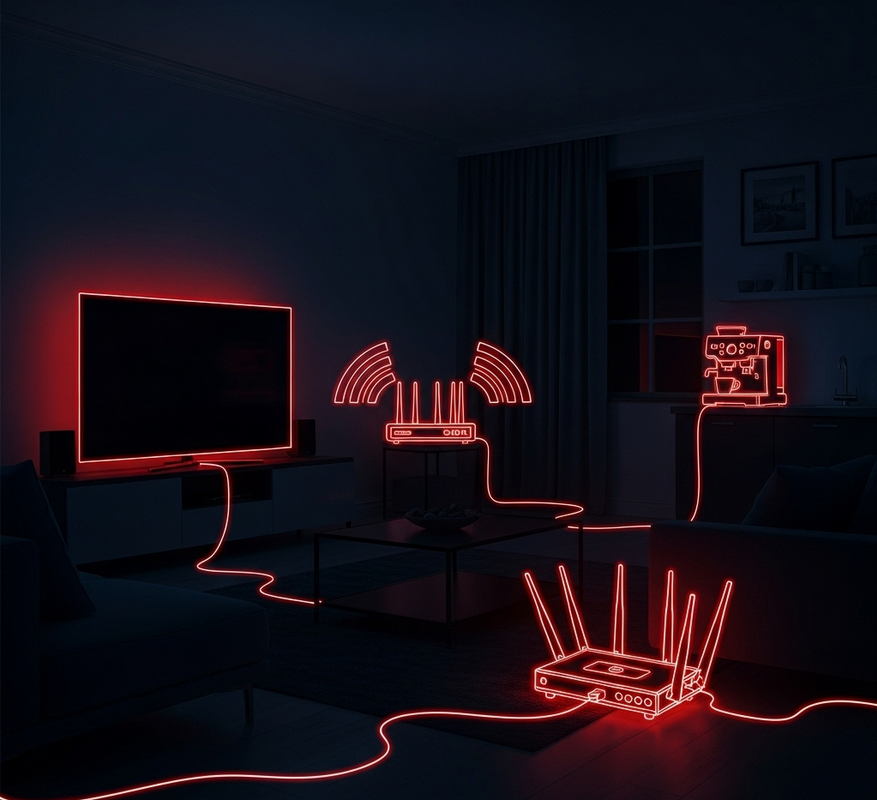
“Phantom load” (also called standby power) is the electricity a device draws while it’s technically off: a television waiting for a remote signal, a coffee maker keeping its clock lit, a phone charger still pulling a trickle of current with nothing plugged into it. Each one is small on its own, often just a few watts. Multiplied across a dozen or more devices running 24 hours a day, though, phantom load can add up to a noticeable line on the monthly bill, and it’s exactly the kind of waste that’s invisible until a monitor breaks usage down circuit by circuit.
Who Actually Benefits from One
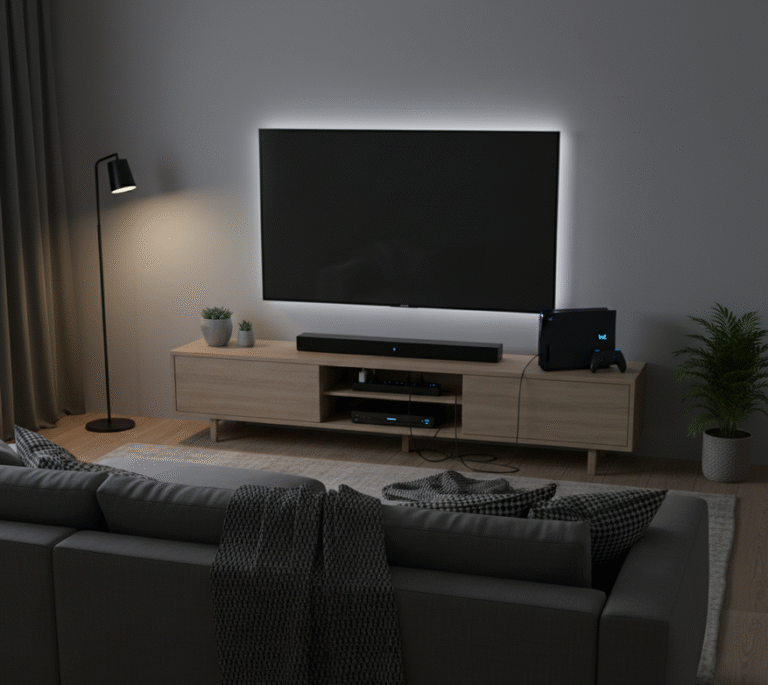
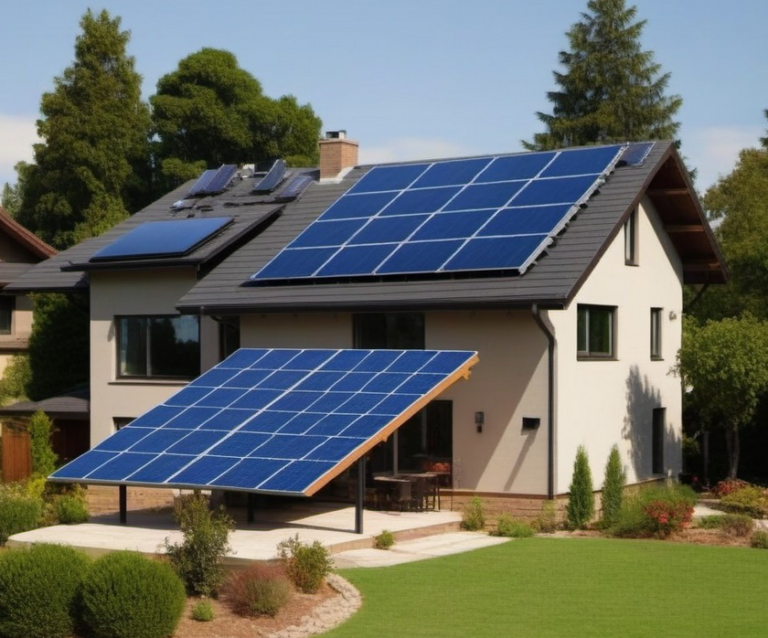
A home energy monitor delivers the most value to a specific set of households: homes with solar panels or an EV charger, where knowing exactly how much power you’re generating versus drawing from the grid actually matters; homes with older or larger appliances that may be running less efficiently than they should; and homes where the monthly bill has been climbing without an obvious explanation. If your household runs a lot of streaming devices, gaming consoles, or other always-on electronics, a monitor is also the fastest way to find out how much those are really costing you.
How to Choose One Without Overspending
The three names that come up most often are Emporia Vue, Sense, and IoTaWatt, and each suits a different priority. The Emporia Vue is built around tracking a large number of individual circuits at once, which makes it the strongest option if you want appliance-level detail across the whole panel. Sense leans toward simplicity: fewer circuits tracked directly, but a cleaner app and stronger appliance-detection algorithm for people who’d rather not label every circuit themselves. IoTaWatt is open-source and aimed at people comfortable with some DIY setup; it costs more time upfront but offers more flexibility for anyone who wants to build their own dashboards or integrate with home-automation systems. A Reddit thread comparing Vue and Sense directly is worth a skim if you want real-world opinions, and this thread on r/homeassistant covers IoTaWatt and other open-source options in more depth. Whichever you pick, prioritize real-time notifications, circuit-level (not just whole-home) data, and an app you’ll actually open more than once.
What You Get Beyond the Savings
The financial case is the easiest one to make, but it’s not the only reason people keep using these devices after the first few months. Knowing exactly where your electricity goes removes a specific kind of low-grade anxiety around bills, replacing a vague “we use too much power” feeling with concrete, fixable facts. It also tends to compound: a Better Homes & Gardens overview of home automation and energy use notes that households combining monitoring with smart thermostats and automated scheduling report total energy reductions in the 10-20% range, meaningfully higher than monitoring alone.
Is It Worth Installing One?
Without a monitor, phantom loads and inefficient appliances keep running the same way they have for years, quietly adding to a bill you can’t itemize. A home energy monitor doesn’t reduce your usage by itself, it just makes that usage visible, but visibility is consistently what gets people to act. For most households, the upfront cost is recovered within a year or two, and the ongoing benefit is a level of control over your electricity bill that a monthly statement alone simply can’t give you.